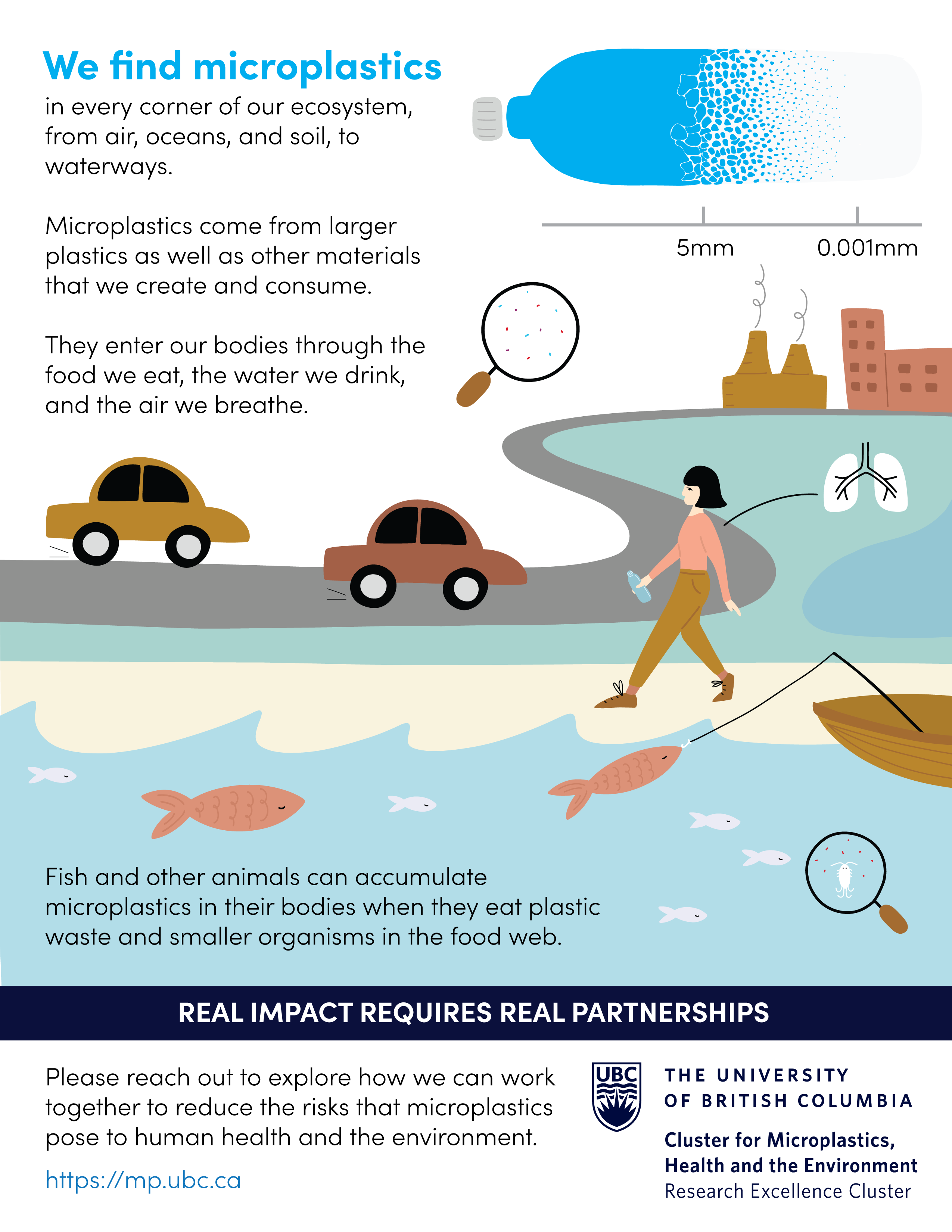
Each year, it is estimated that we produce 430 million tonnes of plastic [13]. By the year 2040, this figure is expected to double [14]. Plastic production is at an all-time high with its impacts contributing to pollution, global warming, and harm to human health [14].
Shockingly, only 9% of the plastic thrown out each year is recycled, while the rest ends up in landfills or the environment [16]. In 2022, the United Nations (UN) created a Treaty on Plastics that aimed to end plastic pollution and create an international legally binding agreement by the end of 2024 [14]. Here in Canada, the “zero plastic waster horizontal initiative” aims to keep plastic out of the environment and in use within the economy by 2030 [15].
Evidently, plastic pollution poses a great threat to our planet as well as our health. In this module, we will touch upon microplastics, the impact of microplastic exposure on human health, and how to counsel patients about microplastic exposure.
1. What are Microplastics?
Primary Microplastics
This category contains plastics designed for commercial use as well as microfibres shed from clothing and other textiles, such as soft furnishings [3].
Primary microplastics are contained in products that many of us rely on every day, including car tires, cosmetics, medical devices, children’s toys, clothing, soft furnishings and textiles.
Secondary Microplastics
This category refers to plastics that have been broken down from larger plastic products. One mechanism by which this can happen is through fragmentation, where the byproducts are often referred to as nanoplastics. Additional mechanisms include environmental factors such as the mechanical force of ocean waves or the sun’s radiation [3].
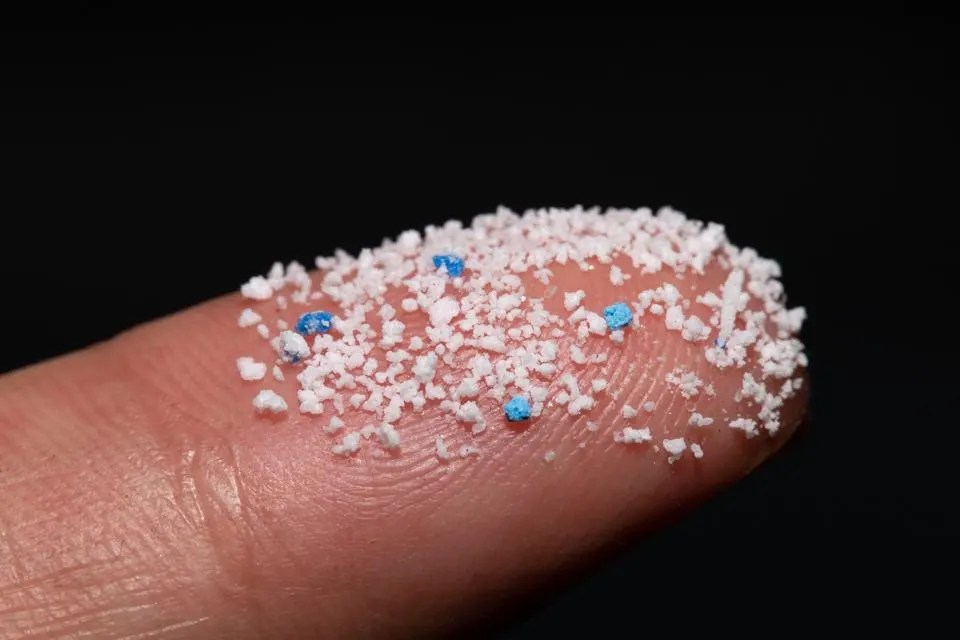
Common microplastics include:
- Common microplastics include…
- Polyethylene
- Polypropylene
- Polystyrene
- Bisphenol A (BPA)
- Phthalates
- Polyamide (e.g. nylon)
- Polyester
- Acrylic (AC)
2. Microplastic Exposure
Touch
Many microplastics are not covalently bonded to the products within which they are found and, thus, are easily leached from plastic products [4]. Through leaching, microplastics enter the bloodstream via contact with the dermal epithelium. A study based in Iran found microplastics in participants’ hair, hand skin, face skin, and saliva [7].
Inhalation
Disturbingly, there are many microplastic particles that travel in the dust and in the air that we breathe. As a result, inhaled microplastic particles make contact with the alveolar epithelium, thus entering the bloodstream. In 2021, A study conducted in Sao Paulo, Brazil, found microplastics in 13 out of 20 human lung samples at autopsy [5].
Ingestion
Last, microplastics in both of our food and water enter the bloodstream via the gastrointestinal epithelium. Plastic food packaging and Tupperware are major culprits for these types of exposures, with microplastics leaching from the packaging material and into our food [17]. In the UK and European union, bans on BPA and some phalates in plastic food packaging are in effect; Canada has yet to follow their lead [17].
Microplastics have been identified in…
- Sediment (on the coast of British Columbia!) [6]
- Marine life (again, on the coast of British Columbia!) [6]
- Human lung tissue [5]
- Human placenta [8]
- Human stool [2]

3. Microplastics & Human Health
The study of microplastics on human health is an emerging field of research and largely based on animal models. When we extrapolate our understanding of animal models to human physiology, current data raises cause for concern.
1. Neuroendocrine Disruption

BPA & phthalates have steroidogenic activity and can bind to estrogen, androgen, PPAR-, and Ah receptors [4]. This area is poorly studied as our current data is primarily attributed to animal models.
Estrogen & androgen receptors regulate gene transcription involved with sexual development and the expression of secondary sex characteristics [20]. PPAR- plays a role in insulin sensitization and glucose metabolism [18]. Ah receptors influence cellular differentiation, malignant transformation, immune regulation, control of circadian rhythms, and cellular metabolism [19]
Since these receptors are a part of complex neuroendocrine networks, microplastic exposures can result in a multitude of disruptions to these pathways
2. Immune Disturbance
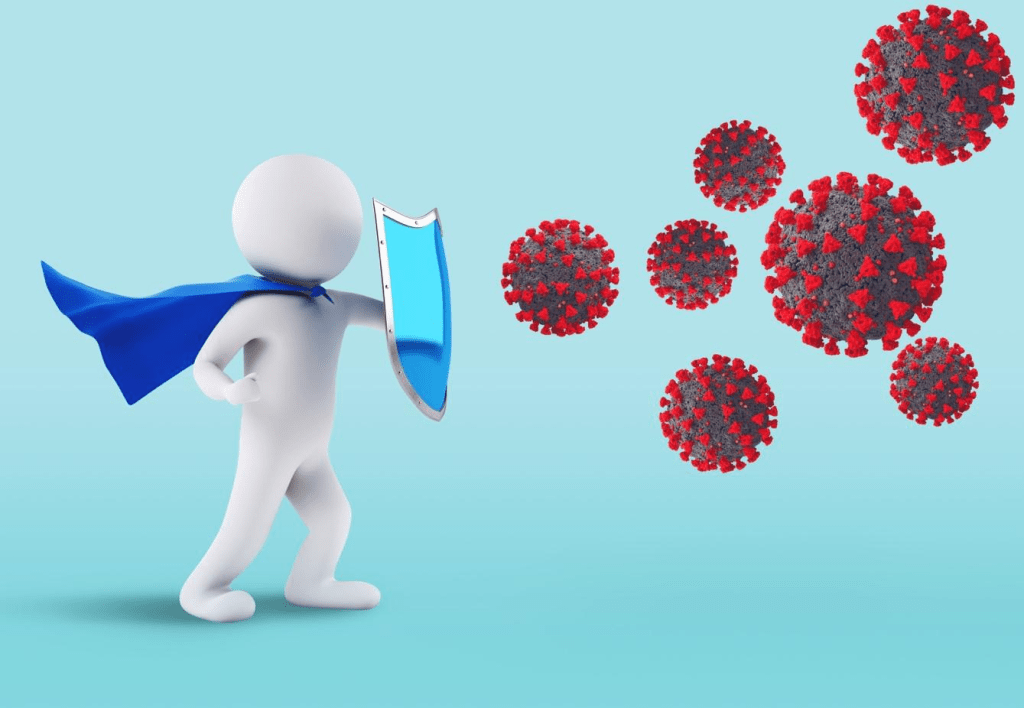
Microplastics have been found to disrupt the composition of immune cells in many tissues including peripheral blood, spleen, and placenta in mice [2]
One study found that polystyrene particles resulted in fewer natural killer cells and greater T4 cells, postulated to be responsible for reproductive toxicity in the mice [2]
It is additionally postulated that microplastics can contribute to the development of cancer & dysplasia due to immune disturbance [9]
One study found that polypropylene microplastics increase the expression of inflammatory cytokines such as IL-6, upregulating gene transcription in cancer cells
3. Reproductive Toxicity and Infertility

In female mice, microplastics have been found to contribute to…
- Spontaneous abortion [2]
- Pre-eclampsia [2]
- Fetal growth restriction [2]
- Pre-term birth [2]
- Stillbirth [2]
In male mice, microplastic exposure has been linked to infertility, specifically reduced sperm quality [10]
4. Oxidative Stress
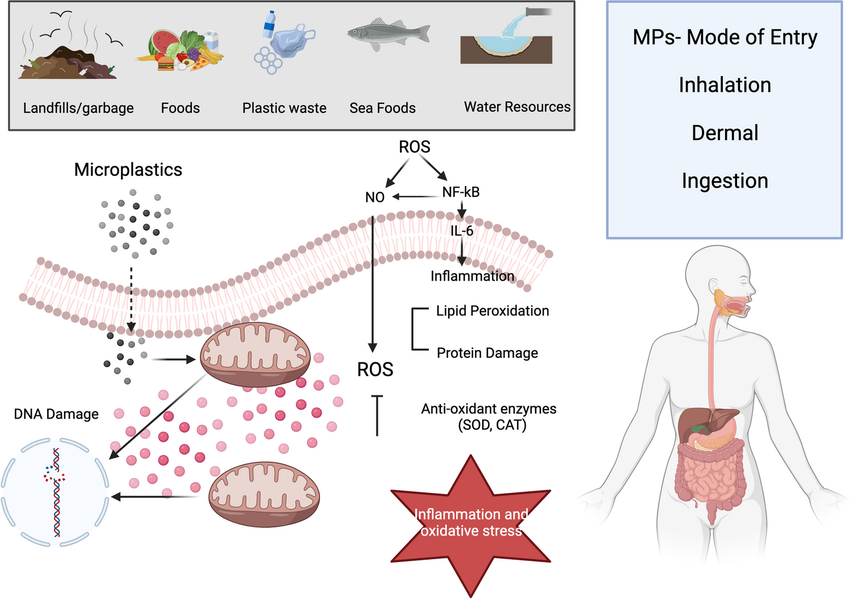
Through a wide range of mechanisms, microplastic exposure has been associated with increased levels of oxidative stress within human cells
A study on a human vaginal cell line found that exposure to polyethylene led to cytoskeletal rearrangement, increased cell stress pathway activity, as well as increased apoptosis [11]
5. Cancer
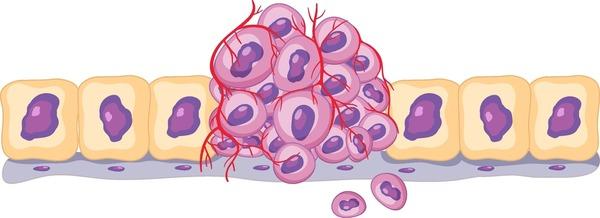
Microplastic exposure has been linked to the development of cancer & dysplasia in human cells
A study on human breast cancer lines found that exposure to polypropylene increased the expression of IL-6 (see “Immune Disturbance”) leading to the upregulation of gene expression within cancer cells
BPA has been associated with the development of cancer, with microwave-safe BPA-free plastics emerging as a part of the conversation [12]
6. Airway Disease

Inhaled microplastics have been associated with the development of airway diseases including:
- Lung cancer [5]
- Asthma [5]
- Interstitial lung disease [5]
Are the effects of microplastics reversible?
This is a current area of debate within the literature. A study on a human vaginal cell line found that the adverse effects of polyethylene on the cell were reversible when exposure was discontinued, showing some amount of recovery [11]. However, epigenetic changes did not show recovery in the same way and seemed to be maintained no matter the length of exposure [11].
4. Who is most at risk?
Urban vs. Rural Communities
According to the current literature, it appears that those in urban communities have the greatest exposure to microplastics and thus are most at risk [7]. However, this does not mean that those living in rural communities live risk free. It is important to keep in mind that different living conditions are associated with different types of microplastic exposures. For example, airborne microplastics may be more likely to occupy urban air whereas microplastic exposure from farming equipment or drinking water may have a greater impact on a rural community. When counselling a patient on their exposures, keep their living conditions in mind.

Sex Differences
Currently, it is unclear whether there is a difference in microplastic exposure when comparing the sexes. While some studies have found greater levels in males, some have found the opposite. It is important to keep in mind that biological sex may impact the types of microplastics one is exposed to. For example, many studies have demonstrated that everyday menstrual products contain a multitude of different microplastics.
Age Differences
The reliance on plastics has increased dramatically in the last generation, meaning that today’s children are most at risk. Research on age differences is limited, we do not currently understand how much plastic our children are exposed to on a day-to-day basis.
Groups that face adversity
When we consider the social determinants of health, it is critical to consider the intersectional identities of our patients. Those who face discrimination within the healthcare system, or society at large, may be impacted by microplastic exposures to a greater extent than someone who does not. Research in this area is limited.
Groups to keep in mind…
- Indigenous communities
- Unhoused communities
- Women & gender-diverse folk
- People of colour
5. How can we reduce exposure to microplastics?
Calls to Action
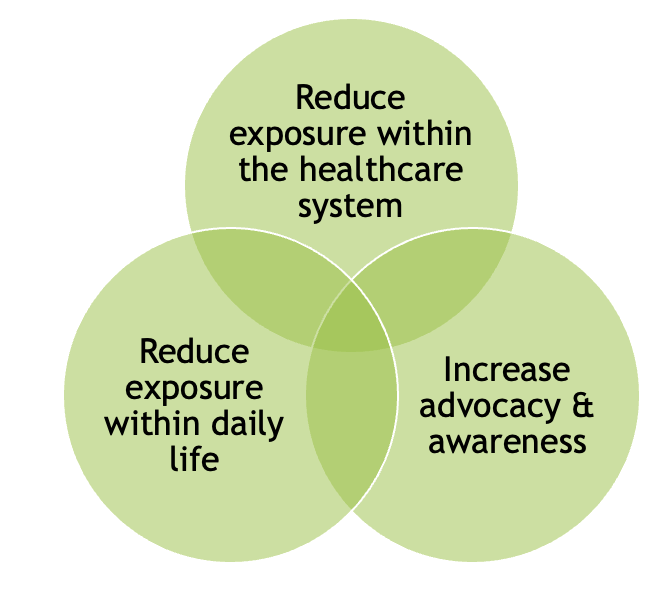
In order to address the health concerns that microplastics pose to both planetary and human health, we have developed a three-pronged approach to combat this issue.
- Reducing exposure within the healthcare system
- Reducing exposure within daily life
- Increasing advocacy and awareness
1. Reduce exposure within the healthcare system
Medical Devices
It is estimated that about 25% of healthcare waste in the United States is plastic, with a huge shift toward single-use plastics in the recent decades, especially after the COVID-19 pandemic [21]. Medical devices such as speculums, blood bags, gloves, syringes, and tubing are a part of the problem [17]. While these devices are essential for healthcare practitioners to do their jobs, there may be innovative solutions for how we can cut back on microplastics in healthcare. Health Care Without Harm, a global organization advocating for environmentally responsible healthcare, are calling for the Plastics Treaty to support and amplify measures to reduce the impact of unsafe and unsustainable medical products. Read more about Health Care Without Harm their solutions for the healthcare plastics crisis here.
In Canada, CASCADES are currently developing two new resources that will focus on strategies for healthcare organizations to prioritize adopting reusable alternatives over single-use products as well as showcasing good practices for bioplastics in healthcare.
Menstrual Products

Many menstrual products contain microplastics that enter the human body through the vaginal epithelium. As part of an ongoing campaign for health equity among the sexes, this is an area that is simple to change. A Vancouver Island-based company, “Joni” are frontrunners in the world of microplastic-free, sustainable menstrual products.
Image from: https://getjoni.com/
2. Reduce exposure within daily life
When counselling patients on everyday exposures, the following are areas to touch upon:
Plastic Products
- Plastics are contained in many everyday objects and products
- The scientific knowledge base on the health impacts of microplastics is still in its infancy, but we do know that microplastics could present a risk to human health
- Educate patients on which items to look out for if they are concerned about exposure (i.e. highly processed foods, cosmetics, bottled water, etc.) and provide links and references to trusted resources on this topic, such as the Public Health Agency of Canada and the World Health Organization
Food and Water
- Counsel patients on the elevated risk of microplastic exposure from processed foods as part of nutrition counselling
- Inquire about and advocate for patients’ access to clean drinking water, and discuss the possible risk of microplastic exposure through bottled water as well as the role of bottled water in the generation of plastic pollution
- Advocate for microplastic-free food and drinking water (this is a healthcare issue, not just a political one!)
Living Conditions
- Inquire about patients’ living environments and advocate for safe, clean housing, free of environmental pollutants, including microplastics
Patient Education
- Educate your patient on what microplastics are, how we are exposed to them, and the current healthcare concerns within the literature
- Answer your patient’s questions regarding their concerns
Additional Resources:
Infographic created by UBC Cluster for Microplastics, Health, and the Environment: https://mp.ubc.ca/sites/default/files/2022-10/infographic-microplastics_2_may-02-2022_002.jpg
Podcast hosted by UBC Cluster for Microplastics, Health, and the Environment: https://mp.ubc.ca/microplastics-podcast
Plastic People is a documentary featuring our addiction to plastic and the growing threat of microplastics on human health.
3. Increase advocacy and awareness
In addition to educating our patients, it is important for physicians to advocate for the health-associated risks with microplastic exposure. The following are some areas for advocacy…
- Research: increasing research in order to decrease knowledge gaps on areas such as:
- Age-related exposures (past vs. present)
- Socioeconomic status and microplastic exposure
- Transitioning from animal models to human cell line studies
- Education: implementing climate health education into medical schools as well as all levels of the K-12 school system
- Health initiatives & campaigns: initiatives such as this website can make a large difference by bringing awareness to this area
- Campaigns for patients
- Campaigns for physicians
- UBC Microplastics Cluster is an interdisciplinary group of scholars aiming to support the development of informed policies regarding microplastics pollution
6. Microplastics in the Clinic
How can I counsel patients who are worried about microplastic exposure?
According to the British Medical Journal (BMJ), counselling patients around climate sensitive health hazards is an “ethical duty of healthcare professionals” [22].
When considering climate change counselling broadly, the BMJ recommends five touchpoints for communication. To explore each point in depth, read the full article here.
1. Healthcare screening
2. History taking
3. Management of long-term conditions
4. Discharge-planning
5. Use prompts to encourage civic engagement
6. Address anxiety
References
[1] Oxford Dictionary. (2024). Oxford Dictionary, retrieved May 30th 2024, from https://www.oxfordlearnersdictionaries.com/definition/english/microplastic#:~:text=%2F%CB%88ma%C9%AAkr%C9%99%CA%8Apl%C3%A6st%C9%AAk%2F-,%2F%CB%88ma%C9%AAkr%C9%99%CA%8Apl%C3%A6st%C9%AAk%2F,consumer%20products%20and%20industrial%20waste
[2] Hu, J., Qin, X., Zhang, J., Zhu, Y., Zeng, W., Lin, Y., & Liu, X. (2021). Polystyrene microplastics disturb maternal-fetal immune balance and cause reproductive toxicity in pregnant mice. Reproductive Toxicology, 106(1), 42-50. https://doi.org/10.1016/j.reprotox.2021.10.002
[3] Addelman, B. (2024). Plastic People. Retrieved from https://plasticpeopledoc.com/
[4] Solleiro-Villavicencio, H., Gomez-De Leon, C. T., Del Rio-Araiza, V. H., & Morales-Montor, J. (2020). The detrimental effect of microplastics on critical periods of development in the neuroendocrine system. Birth Defects Research, 112(17), 1326-1340. https://doi.org/10.1002/bdr2.1776
[5] Amato-Lourenco, L. F., Carvalho-Oliveira, R., Junior, G. R., dos Santos-Galvao, L., Ando, R. A., & Mauad, T. (2021). Presence of airborne microplastics in human lung tissue. Journal of Hazardous Materials, 416(1), 126124. https://doi.org/10.1016/j.jhazmat.2021.126124
[6] Noel, M., Wong, C., Ross, P. S., Patankar, S., Etemadifar, A., Morales-Caselles, C., Lyons, S., & Delisle, K. (2022). Microplastics distribution in sediment and mussels along the British Columbia Coast, Canada. Marine Pollution Bulletin, 185(A), 114273. https://doi.org/10.1016/j.marpolbul.2022.114273
[7] Abbasi, S., & Turner, A. (2021). Human exposure to microplastics: a study in Iran. Journal of Hazardous Materials, 403(1), 123799. https://doi.org/10.1016/j.jhazmat.2020.123799
[8] Ragusa, A., Svelato, A., Santacroce, C., Catalano, P., Notarstefano, V., Carnevali, O., Papa, F., Rongioletti, M. C. A., Baiocco, F., Draghi, S., D’Amore, E., Rinaldo, D., Matta, M., & Giorgini, E. (2021). Plasticenta: first evidence of microplastics in human placenta. Environment International, 146(1), 106274. https://doi.org/10.1016/j.envint.2020.106274
[9] Park, J. H., Hong, S., Kim, O. H., Kim, C. H., Kim, J., Kim., J .W., Hong, S., & Lee, H. J. (2023). Polypropylene microplastics promote metastatic features in human breast cancer. Scientific Reports, 13(1), 6252. https://doi.org/10.1038/s41598-023-33393-8
[10] Zhang, C., Chen, J., Ma, S., Sun, & Wang, Z. (2022). Microplastics May Be a Significant Cause of Male Infertility. American Journal of Men’s Health, 16(3). https://doi.org/10.1177/15579883221096549
[11] Pontecorvi, P., Ceccarelli, S., Cece, F., Camero, S., Lotti, L.V., Niccolai, E., Nannini, G., Gerini, G., Anastasiadou, E., Scialis, E. S., Romano, E., Venneri, M. A., Amedei, A., Angeloni, A., Megiorni, F., & Marchese, C. (2023). Assessing the impact of polyethylene nano/microplastic exposure on human vaginal keratinocytes. International Journal of Molecular Sciences, 24(14), 11379. https://doi.org/10.3390/ijms241411379
[12] Nomiri, S., Hoshyar, R., Ambrosino, C., Tyler, C. R., & Mansouri, B. (2019). A mini review of bisphenol A (BPA) effects on cancer-related cellular signaling pathways. Environmental Science and Pollution Research, 26(1), 8459-8467. https://doi.org/10.1007/s11356-019-04228-9
[13] United Nations. (2023, August 25). Fun Facts – What is Plastic Pollution? United Nations: Sustainable Development Goals. https://www.un.org/sustainabledevelopment/blog/2023/08/explainer-what-is-plastic-pollution/#:~:text=On%20average%2C%20the%20world%20is,a%20short%20period%20of%20time
[14] United Nations. (2022, March 2). Historic day in the campaign to beat plastic pollution: Nations commit to develop a legally binding agreement. UN Environment Programme. https://www.unep.org/news-and-stories/press-release/historic-day-campaign-beat-plastic-pollution-nations-commit-develop
[15] Office of the Auditor General of Canada. (2024). 2024 Reports 1 to 5 of the Commissioner of the Environment and Sustainable Development to the Parliament of Canada. Office of the Auditor General of Canada. https://www.oag-bvg.gc.ca/internet/English/parl_cesd_202404_03_e_44470.html
[16] Government of Canada. (2023, April 14). Plastic waste and pollution reduction. Government of Canada. https://www.canada.ca/en/environment-climate-change/services/managing-reducing-waste/reduce-plastic-waste.html
[17] Dhami, G. (2022, May 16). Phthalates and BPA: Inaction by the Government of Canada Poses a Health Risk to Canadians. Canadian Public Health Association. https://www.cpha.ca/phthalates-and-bpa-inaction-government-canada-poses-health-risk-canadians
[18] Leonardini, A., Laviola, L., Perrini, S., Natalicchio, A., & Giorgino, F. (2009). Cross-Talk between PPAR- and Insulin Signaling and Modulation of Insulin Sensitivity. PPAR Research, 2009. doi: 10.1155/2009/818945
[19] Trikha, P., & Lee, D. A. (2020). The role of AhR in transcriptional regulation of immune cell development and function. Biochimica et Biophysica Acta (BBA) – Reviews on Cancer, 1873(1), 188335. https://doi.org/10.1016/j.bbcan.2019.188335
[20] Manolagas, S. C., O’Brien, C. A., & Almeida, M. (2013). The role of estrogen and androgen receptors in bone health and disease. Nature Reviews Endocrinology, 9(1), 699-712. https://doi.org/10.1038/nrendo.2013.179
[21] Health Care Without Harm. (2022, November). Plastics and health. Health Care Without Harm. https://noharm-global.org/sites/default/files/documents-files/7272/HCWH%20-%20Plastics%20and%20health.pdf
[22] Kotcher, J., Patel, L., Wheat, S., Philipsborn, R., & Maibach, E. (2024). How to communicate about climate change with patients. British Medical Journal, 385(1). doi: https://doi.org/10.1136/bmj-2024-079831
 UBC EnviroMed